
Anúncios
Some mornings, your to-do list seems too loud. You might wake up tired, with too many notifications. You start making small decisions early, which takes away your focus before breakfast.
This guide is here to help. It offers practical steps to calm your mind through Functional Living and lifestyle optimization.
This article is for people in the United States who want to feel calm and clear. You don’t need a big change to reduce cognitive stress. Small steps in routines, organization, sleep, nutrition, and mindfulness can make a big difference.
Next, you’ll learn about cognitive stress and Functional Living. Then, we’ll talk about day design, organization, mindfulness, sleep, nutrition, time management, social supports, preventive health, and tools. Each part has tips you can start using today and improve over time.
Key Takeaways
- You can reduce mental load with simple, repeatable routines rooted in Functional Living.
- Small adjustments to your day add up to meaningful cognitive stress reduction.
- Organization and predictable systems free mental bandwidth for important decisions.
- Mindfulness, sleep optimization, and nutrition are core to lasting lifestyle optimization.
- This guide gives step-by-step wellness advice for balanced living and improved clarity.
Understanding Cognitive Stress and Its Impact
When your brain gets too much to handle, it shows. Cognitive stress is when your brain is always working hard. It’s not just sudden fear, but it can feel like it.
Anúncios
You might forget things, have trouble following conversations, or take longer to do simple tasks. Too many notifications, too many projects, bad sleep, and unhealthy food can make it worse. If you have ongoing health problems, it’s even harder for your brain.
Here are some signs to watch for.
Brain fog is when your thinking feels cloudy. You might find it hard to remember things or think clearly.
Poor focus means you can’t stay on one thing for long. You might start many things but finish few.
Decision fatigue makes every choice feel hard. It can make you make poorer choices and feel less in control.
This stress can affect your work and home life. At work, you might make more mistakes and have trouble meeting deadlines. At home, it can lead to misunderstandings and feeling distant from your loved ones.
Functional Living helps by fixing the problems, not just covering them up. Making small changes in how you live, eat, sleep, and organize can help. It’s about finding ways to make your life easier, not just managing stress.
| Symptom | Daily Example | Simple Functional Living Response |
|---|---|---|
| Brain fog | Forgetting a meeting or losing train of thought | Short breaks, consistent sleep schedule, protein-rich snacks |
| Poor focus | Switching tabs every few minutes while working | Time blocking, phone on do-not-disturb, single-task sessions |
| Decision fatigue | Overwhelmed by small choices like meals or outfits | Pre-made meal plans, simplified morning routine, checklists |
| Productivity loss | Tasks take longer, more errors | Prioritization framework, decluttered workspace, automation |
| Strained relationships | Short temper, miscommunications | Regular check-ins, clear boundaries, shared calendars |
Principles of Functional Living for Mental Clarity
Functional Living is about making your space and routines simple. This way, your brain uses less energy on small things. You get predictable times for recovery, better focus, and less daily stress.
Here are some ideas to start with. Each idea comes with simple steps for a better life.
Simplicity
- Choose a few outfits, meals, and tasks to make life easier.
- Make mornings and evenings the same to use habits, not willpower.
Consistency
- Do important things at the same time every day. This saves brain power and helps you stay focused.
- Have a weekly planning time to avoid daily surprises.
Predictability
- Use routines to tell your brain when to work and when to rest. This makes life easier.
- Set defaults for often-made decisions, like what to eat or how to prepare for bed.
Minimal friction
- Make things easy to do by putting important things where you can see them. Use reminders and limit notifications.
- Find tools and small habits that help you stay healthy and follow good advice.
Functional routines make life easier by automating choices. Using cues and defaults saves brain energy. This energy helps you focus on important tasks and relationships.
Small changes can add up quickly. A short nightly routine can save you time in the morning. A weekly planning session can reduce daily surprises. Better sleep and eating habits can show results in days to weeks, with even more benefits after six to twelve weeks.
| Goal | Small Habit | Timeline to Notice | Benefit |
|---|---|---|---|
| Reduce morning decisions | Lay out clothes and pack bag each night | 1–3 days | Faster mornings, less stress |
| Lower daily uncertainty | Weekly 15-minute planning session | 1–2 weeks | Clearer priorities, fewer reactive tasks |
| Improve sleep quality | Consistent wind-down routine and screen curfew | 2–6 weeks | Better rest, improved focus |
| Support sustained energy | Pre-planned meals and timed snacks | 1–4 weeks | Stable attention, fewer energy dips |
These principles help you live a better life. You get useful habits, better focus, and helpful tips that get better over time.
Designing Your Day: Routines That Lower Cognitive Load
Designing your day means doing tasks when you’re most awake. This helps you work better. It makes life simpler and saves energy for important things.
Morning routines to set cognitive tone for the day
Wake up at the same time every day. This helps your body get into a rhythm. Get some sunlight or bright light within 30 minutes to wake up.
Drink water, move a bit, and eat a protein-rich breakfast. This keeps your energy up and helps you focus.
End your morning by making a quick plan. List your top three tasks for the day. Keep your morning routine short, 20–60 minutes, to get ready for work.
Midday resets and transitions to avoid decision fatigue
Take a short break in the middle of the day. This helps you switch gears. Eat a healthy lunch to avoid feeling tired later.
Take a short walk to refresh your mind. Check your messages briefly to avoid getting distracted. A short nap can also help.
Evening rituals that support mental recovery and sleep
Start winding down 60–90 minutes before bed. Avoid screens to reduce blue light. Choose relaxing activities like reading or stretching.
Plan for tomorrow in just five minutes. This helps clear your mind. Go to bed at the same time every night. These habits help you recover and feel better in the morning.
Adjust your routines if your schedule changes. Even small routines, like a few minutes of stretching, can help. These small habits add up to a healthier lifestyle.
Organizational Systems to Reduce Mental Clutter
Clutter takes up your attention and makes decisions harder. When your home and devices are messy, it’s hard to focus. You feel lost and making choices is tough.
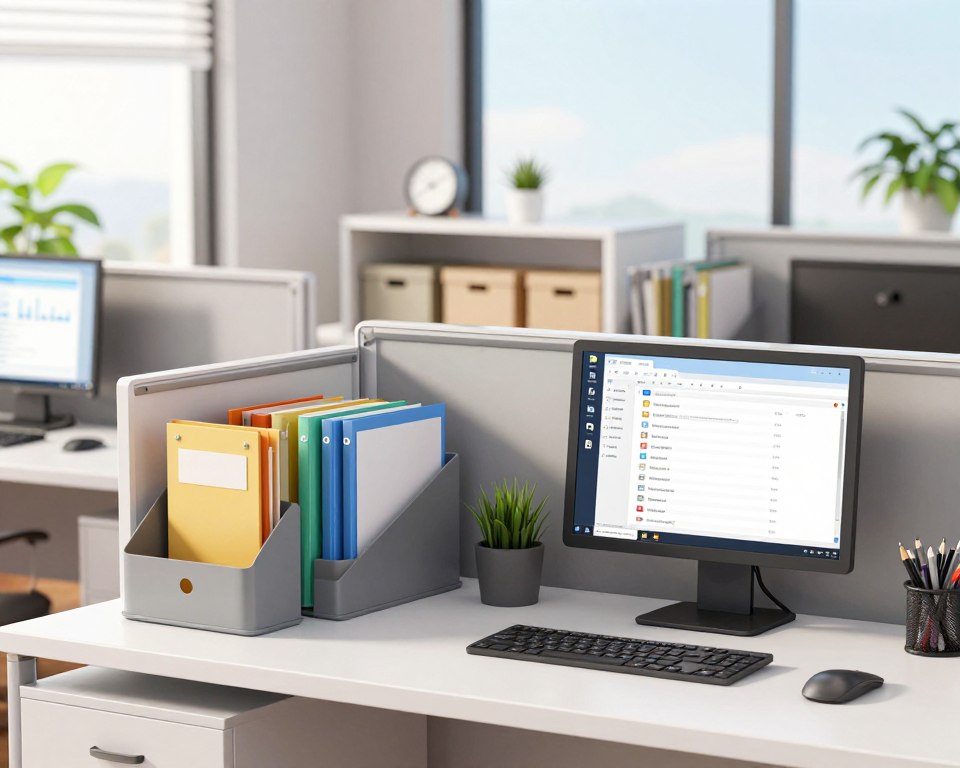
Decluttering physical spaces to ease cognitive processing
Ask if an item is useful or valuable. Use the Marie Kondo method to decide quickly. Follow the one-in, one-out rule for clothes and gadgets.
Make zones for things you use often. Keep daily items easy to find and seasonal stuff hidden. Spend a few minutes each day tidying up.
Digital organization: inbox, files, and task management
Manage your inbox like an emergency room. Use folders and filters in Gmail or Outlook. Check email only a few times a day to stay focused.
Keep documents in Google Drive or Microsoft OneDrive. Use a simple naming system. This saves time and reduces decision fatigue.
Using lists and templates to minimize decisions
Choose one task manager like Todoist or Trello. Use templates for regular tasks to save time. This way, you don’t have to start over every time.
Make checklists for common tasks. Use a whiteboard or post-it notes for top priorities. Review your tasks weekly to stay on track.
| Area | Practical Tactic | Benefit |
|---|---|---|
| Physical space | One-in, one-out rule; 10–15 min daily tidy | Reduces visual distractions; speeds retrieval |
| Home storage | Clear zones and visible labels | Less searching; fewer micro-decisions |
| Inbox | Filters, folders, scheduled checks | Lower interruptions; faster processing |
| Files | Central cloud storage; consistent names | Quick search; fewer duplicate versions |
| Tasks | Single task app; templates and checklists | Less memory load; repeatable workflows |
| Weekly routine | Batching and weekly review session | Stops backlog; supports lifestyle optimization |
Small changes can lead to big improvements. Find systems that fit your life. This way, you can live better without extra stress.
Mindful Living Techniques to Calm the Mind
Mindful living helps you focus less on worries. It makes you more in control of your thoughts. Even a little practice each day can make a big difference.
Simple practices you can use anywhere
Try focusing on one thing for five breaths to stop worrying. A quick body scan of three to five minutes can help you relax. Mindful walking is great for focusing on your surroundings when you’re on the move.
Grounding techniques like the 5-4-3-2-1 checklist can calm you down when you’re feeling overwhelmed. Use these during breaks, before calls, or while waiting in line.
Breathwork and short meditation routines for focus
Box breathing is a simple way to breathe in for four counts, hold for four, breathe out for four, and hold again for four. The 4-7-8 technique can calm you down quickly. Paced diaphragmatic breathing for one to three minutes can also help you focus and lower your heart rate.
If you have breathing or heart problems, talk to your doctor before trying deep breathing. Start slow and stop if you feel dizzy or uncomfortable.
How to build a daily mindful living habit
Link a short mindfulness practice to something you already do, like after your morning coffee. Start with one to three minutes and add more as you get used to it. Keep track of your practice with a log or app to stay on track.
Use reminders like an alarm or a special object to remind you to practice. Mix breathwork, meditation, and small mindfulness tasks to make a habit that fits your life. This supports a holistic approach to wellness.
| Practice | Duration | When to Use | Benefit |
|---|---|---|---|
| Single-point awareness | 5 breaths | Before meetings, during stress | Quick focus reset |
| Body scan | 3–5 minutes | Midday break, evening wind-down | Releases tension, improves interoception |
| Mindful walking | 5–10 minutes | Commute, between tasks | Grounds attention, reduces rumination |
| Box breathing | 1–3 minutes | High stress moments | Regulates breath and heart rate |
| 4-7-8 technique | 1–2 minutes | Before sleep, acute anxiety | Calms nervous system |
| Guided focus meditation | 10–15 minutes | Planned practice time | Builds sustained attention |
Sleep Optimization for Better Cognitive Function
Good sleep helps your memory, attention, and emotions. It makes your mind clear and lowers stress. Poor sleep can make it hard to focus and feel foggy.
Sleep hygiene practices that improve mental clarity
Go to bed and wake up at the same time every day. This helps your body get into a rhythm. Make your bedroom dark, quiet, and cool.
Don’t drink caffeine too late in the day. Eat light meals before bed. Keep work stuff out of your bedroom. These steps help you sleep better and remember things better.
Practical tips for winding down and reducing nighttime rumination
Do something relaxing before bed, like stretching or journaling. This helps calm your body and mind. Write down your worries to clear your head.
If you can’t stop thinking, set aside time for worries earlier. Use white noise or a fan to help you sleep. These tips are easy to add to your daily routine.
When to seek professional help for sleep problems
If you can’t sleep well for more than three months, see a doctor. Loud snoring could mean sleep apnea. Use tools like the Epworth Sleepiness Scale to track your sleep.
For long-term insomnia, talk to your doctor about CBT-I. Getting help from a professional can improve your focus and reduce stress.
Nutrition and Movement for Cognitive Resilience
Good food and short activity breaks help protect your mind. This guide shows how to eat well and move often. You can do this without changing your busy schedule.
Foods and nutrients that support brain health
Eat like you’re from the Mediterranean. Focus on veggies, fruits, whole grains, and nuts. These foods give you omega-3s, B vitamins, and antioxidants.
These nutrients help your brain cells talk better and stay healthy. They also protect against damage and help with memory.
Practical healthy lifestyle tips for busy days
Make meals in advance on weekends. This way, you have healthy food ready for the week. Carry snacks like nuts or veggies to avoid feeling tired.
Drink water often. Set reminders on your phone to drink more. Start your day with protein and fiber to keep your energy up.
Small changes can make a big difference. This fits well with living a healthy lifestyle.
Short movement breaks and exercise routines to boost focus
Do some aerobic exercise for 150 minutes a week. Also, do strength training two times a week. This helps your brain and mood in the long run.
Take short breaks to move every 60-90 minutes. Do squats, walk, or do chair yoga. Use timers to mix work with breaks.
Safety and personalization
If you have health issues, talk to a doctor before starting new diets or exercises. This ensures you’re safe and doing what’s best for you.
Combine good food, movement, and routines for a healthy lifestyle. This works even on busy days and supports a holistic way of living.
Stress-Reducing Workflows and Time Management
Make workflows that don’t make you switch tasks too much. This saves your energy and focus. Use Functional Living to plan a day with fewer interruptions. Small changes in your schedule can make a big difference.

Batching, time blocking, and single-tasking help lower stress. Batching means doing similar tasks together. Time blocking means setting times for specific tasks. Single-tasking means doing one thing at a time.
Batching is easy to start. Use mornings and late afternoons for emails. Make mornings for deep work and afternoons for admin tasks. Use Google Calendar or Outlook to keep your schedule clear.
Use frameworks to decide what’s most important. The Eisenhower Matrix helps sort tasks. The Ivy Lee Method lists your top tasks each day. Focus on the most important tasks first.
Set clear limits to manage your work. Tell others when you’re available and use Calendly to limit meetings. Set email rules and say no to things that don’t matter.
Manage what others expect of you. Pad your time estimates and track how long tasks take. Add breaks between tasks to avoid stress. These habits improve your time management and lifestyle.
Social and Environmental Supports for Reduced Cognitive Strain
When you feel stressed, the people and places around you can help. Social buffering shows that friends and family lower stress and make you stronger. You can create a network for emotional support, help, and honest feedback.
How relationships and social support affect cognitive stress
Close friends make it easier to handle tough times. Talking to friends or family helps you share feelings and find solutions. Asking for help keeps your mind from getting overwhelmed.
Creating a home and workspace that promotes calm
Your environment can either help or hurt your focus. Follow ergonomic tips to set up your workspace right. Keep things tidy and add plants to make your space feel better.
Good lighting and sound help your mind stay clear. Use special bulbs in dark months and sound devices to block out distractions. Make sure your work and rest areas are separate.
Using community resources and accountability partnerships
Local groups and services can help you find support. Join classes, groups, and online communities for activities that help you live well. Workplaces and online groups can also help you stay on track.
Make a plan with a friend to check in each week. Share household tasks or get help when you can. This frees up time and mental space for more important things.
Use community resources in your daily life to make things easier. When people, places, and services work together, you can live more calmly and focused.
Practical Health Tips for Long-Term Cognitive Balance
Start with small, regular actions to protect your brain. These actions help reduce daily mental load. They support Functional Living and build resilience over time.
Make health maintenance a habit. Schedule annual physicals and basic blood work. This includes glucose, thyroid panels, vitamin D, and B12.
Also, track your blood pressure and include mental health screenings. Many health issues can make you feel mentally foggy. Early detection helps a lot.
Coordinate care for ongoing conditions. Follow plans for diabetes, hypertension, or depression. Use tools to manage your health tasks and reduce mental load.
Use preventive measures beyond exams. Keep vaccinations current and maintain dental checkups. Regular vision screenings are also important.
Watch substance use like alcohol and nicotine. They harm sleep and cognition. Seek help for dependence or moderation strategies when needed.
Build habits by starting small. Try if-then plans to make decisions automatic. Run 2-week experiments with micro-goals and measure results.
Celebrate your wins to keep momentum. Reassess your systems on a schedule. A quarterly review helps adjust goals as life changes.
Combine medical follow-ups with lifestyle plans for the best outcome. This balanced approach keeps your cognitive load manageable.
Below is a compact toolset to guide action. Use it to pick steps that fit your life and to track steady improvements.
| Focus Area | Action | Frequency | Tools |
|---|---|---|---|
| Routine Checks | Annual physical, bloodwork (glucose, thyroid, B12, vitamin D), BP, mental health screen | Yearly | Primary care scheduling, patient portals |
| Chronic Care | Follow treatment plans, coordinate specialists, use medication reminders | Ongoing | Med reminders, chronic-disease apps, pharmacy synchronization |
| Preventive Measures | Vaccinations, dental and vision checks, substance moderation | Every 6–12 months | Clinic reminders, counseling services |
| Habit Formation | Implementation intentions, micro-goals, 2-week trials, celebrate wins | Daily to biweekly | Streaks, Habitica, habit journal |
| Review & Adjust | Quarterly system review, adapt to life stage, combine medical and lifestyle plans | Quarterly | Scorecards, calendar reviews, care team check-ins |
Tools and Apps to Support Functional Living
Choosing the right apps can make life easier, not harder. Start with a few tools that work on all your devices. Pick apps for tasks, focus, and health. This way, you can avoid too many steps and keep notifications down.
Recommended task and reminder apps
Todoist is great for quick task lists and easy due dates. Microsoft To Do is good if you use Outlook. Notion is perfect for planning and notes.
Trello is great for visual boards and team work. Google Calendar is best for blocking time in your schedule.
Tools for mindfulness, sleep tracking, and habit building
Calm, Headspace, and Insight Timer offer guided meditations. Breathwrk helps with simple breathing exercises. Oura Ring, Fitbit, and Apple Watch track sleep.
Oura gives detailed scores but costs more. Sleep Cycle analyzes sleep and wakes you up smartly. But, using your phone before bed can be a problem.
Habit-building and focus tools
Streaks and Habitica make habits fun. Forest helps you stay focused by avoiding phone use. Focus@Will has music to help you concentrate.
Pomodone links to your task manager for better focus. This way, you keep working without switching apps.
How to choose tools that reduce rather than add cognitive load
Use fewer apps and focus on integrations. Choose simple apps that work on all devices. Check your apps every quarter and get rid of what you don’t need.
Also, make sure to check privacy policies, especially for health apps. This keeps your data safe.
| Need | Recommended Apps | Core Strength | Potential Drawback |
|---|---|---|---|
| Task lists & reminders | Todoist, Microsoft To Do, Google Calendar | Natural-language dates, Outlook integration, time blocking | Fragmentation if not synced |
| Project planning & templates | Notion, Trello | Flexible databases, visual boards for workflows | Steeper setup time for complex templates |
| Mindfulness exercises | Calm, Headspace, Insight Timer, Breathwrk | Guided meditations and breath tools for daily practice | Subscription costs for premium content |
| Sleep tracking | Oura Ring, Fitbit, Apple Watch, Sleep Cycle | Detailed readiness metrics, activity tracking, smart alarm | Wearables can be costly; phone apps may increase screen time |
| Habit & focus | Streaks, Habitica, Forest, Focus@Will, Pomodone | Gamified habits, focus sessions, Pomodoro integration | Multiple apps can fragment attention without consolidation |
Simple implementation tips
Start with templates like a Notion weekly planner. Use Zapier or IFTTT for automations. Set reminders wisely to avoid too many notifications.
Pair mindfulness apps with daily habits. This builds consistency and helps you stay well.
Conclusion
You’ve learned about cognitive stress and how to reduce it. You’ve seen the importance of living functionally and organizing your space. Mindfulness and sleep also help.
Start with small morning and evening routines. Try cleaning a drawer or organizing your inbox. Do a two-week mindfulness challenge. Have a quick review every quarter to see what’s working.
Living in balance is about small steps and support. Mix personal changes with professional help when needed. Use these tips in ways that fit your life for lasting change.